
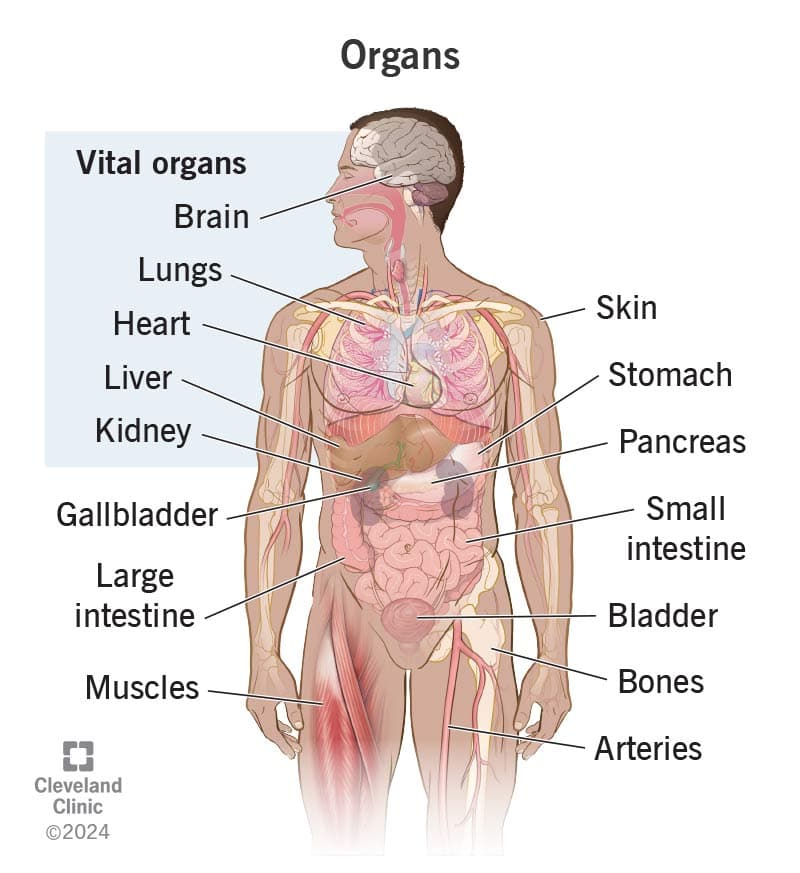
The Anatomy Department of a medical college holds a pivotal role in shaping the future of healthcare professionals by providing them with a profound understanding of the human body's structure. It serves as the foundation upon which all subsequent medical knowledge is built. Anatomy is the study of the physical structure of organisms, particularly humans, and forms the bedrock of medical education. Students in this department gain insights into the intricate and complex systems that comprise the human body, such as the musculoskeletal, circulatory, respiratory, and nervous systems. This knowledge is essential, not only for diagnosing diseases and conditions but also for conducting medical procedures with precision and understanding. The department typically offers courses in gross anatomy, histology, embryology, and neuroanatomy, with practical training through dissection and microscopic examination.
In the initial stages of medical education, anatomy is a subject that requires both theoretical and hands-on learning. The department employs a variety of teaching methods, including lectures, practical dissections, virtual dissections, and 3D models to provide students with a comprehensive understanding. Dissection labs, where students work with cadavers, remain one of the most significant aspects of learning anatomy, allowing them to explore the human body in its most detailed form. These labs are not only a way to familiarize students with the structures of the body but also help them understand the spatial relationships between different organs and systems. Additionally, microscopic anatomy, through histology labs, allows students to examine tissues and cells at a cellular level, offering an even deeper understanding of how organs function at a microscopic scale. With the advent of technology, many anatomy departments also incorporate virtual reality (VR) and augmented reality (AR) tools to further enhance the learning experience.
The importance of anatomy cannot be overstated, as it forms the core knowledge required for more advanced medical studies. Subjects such as physiology, pathology, surgery, and radiology all heavily rely on a sound understanding of human anatomy. For instance, in surgical practice, a surgeon’s knowledge of anatomy is critical to performing procedures that are both safe and effective. Likewise, in radiology, doctors must be able to interpret medical images, such as X-rays and CT scans, which necessitate a deep knowledge of anatomical structures. As medical students progress in their studies, the application of anatomical knowledge becomes increasingly clinical, with students learning to correlate anatomical structures with clinical signs and symptoms. This integration is what makes anatomy not just a subject to be memorized but a vital tool for a doctor’s ability to care for patients.
The Anatomy Department also plays a significant role in research and academic collaboration. Many anatomy departments in medical colleges are actively involved in research on topics such as human anatomical variations, comparative anatomy, and fetal development. This research not only contributes to the advancement of medical knowledge but also enhances the quality of education within the department. Faculty members, who are often experts in various subfields of anatomy, engage in research that helps in understanding human structure in greater detail. Additionally, the department collaborates with other clinical departments, such as surgery, radiology, and neurology, to ensure that anatomical education is applied in real-world medical practice. This collaboration bridges the gap between theoretical knowledge and clinical application, ensuring that medical students are well-equipped for the challenges they will face as practicing healthcare professionals.