
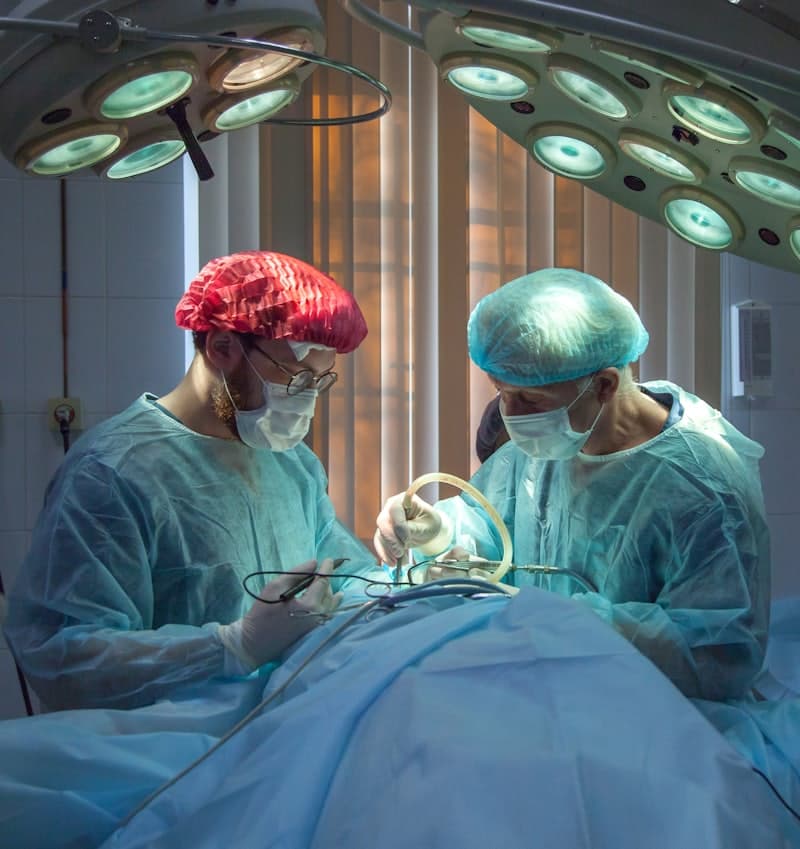
The General Surgery department in a medical college is fundamental in providing students with the knowledge and skills necessary to diagnose, treat, and manage a wide range of surgical conditions. General surgery encompasses various subspecialties, including abdominal surgery, gastrointestinal surgery, endocrine surgery, trauma surgery, and more. The department's curriculum is designed to cover the surgical management of common conditions such as appendicitis, gallbladder disease, hernias, and colorectal disorders, as well as complex surgical interventions like cancer resections, gastrointestinal surgeries, and trauma-related procedures. Students are trained to understand the principles of surgery, including aseptic techniques, wound healing, surgical instruments, and the management of postoperative care, as well as gaining proficiency in performing basic and advanced surgical procedures under supervision.
The educational experience in the General Surgery department is a blend of classroom instruction, hands-on training, and clinical exposure. Students are introduced to the basic sciences that form the foundation of surgery, such as anatomy, physiology, and pathology, with a particular focus on surgical anatomy. As they progress, they rotate through various surgical wards and operation theaters, where they observe and assist in surgeries. These rotations allow students to gain practical experience in managing preoperative and postoperative patients, learn the proper use of surgical instruments, and develop critical thinking skills related to surgical decision-making. Clinical training is paired with seminars and case discussions that explore the indications, risks, and benefits of different surgical procedures, giving students a well-rounded understanding of the surgical approach to patient care.
The General Surgery department also emphasizes the importance of patient safety and the ethical considerations involved in surgery. Students learn how to obtain informed consent, manage surgical risks, and approach each patient with empathy and professionalism. They are taught to recognize the signs and symptoms of surgical emergencies, such as acute abdominal pain, gastrointestinal bleeding, and traumatic injuries, and to make timely decisions regarding surgical intervention or non-surgical management. In addition, the department trains students in the management of common surgical complications, such as infections, bleeding, and anesthesia-related issues, ensuring that they are well-prepared to handle the challenges that arise during and after surgery.
Another key component of the General Surgery department is the development of skills in minimally invasive surgery, or laparoscopic surgery, which has become an integral part of modern surgical practice. Students are introduced to laparoscopic techniques for procedures like cholecystectomy (gallbladder removal), appendectomy, and hernia repair. The department may also provide opportunities for students to gain experience with robotic-assisted surgery, which is becoming increasingly prevalent in certain surgical fields. Beyond hands-on skills, students are also encouraged to engage in research in surgical techniques, innovations in surgical technology, and improvements in patient outcomes. Graduates of the General Surgery department are equipped to work as general surgeons or pursue further specialization in fields such as cardiothoracic surgery, orthopedic surgery, or plastic surgery, playing a critical role in patient care across a variety of surgical disciplines.