
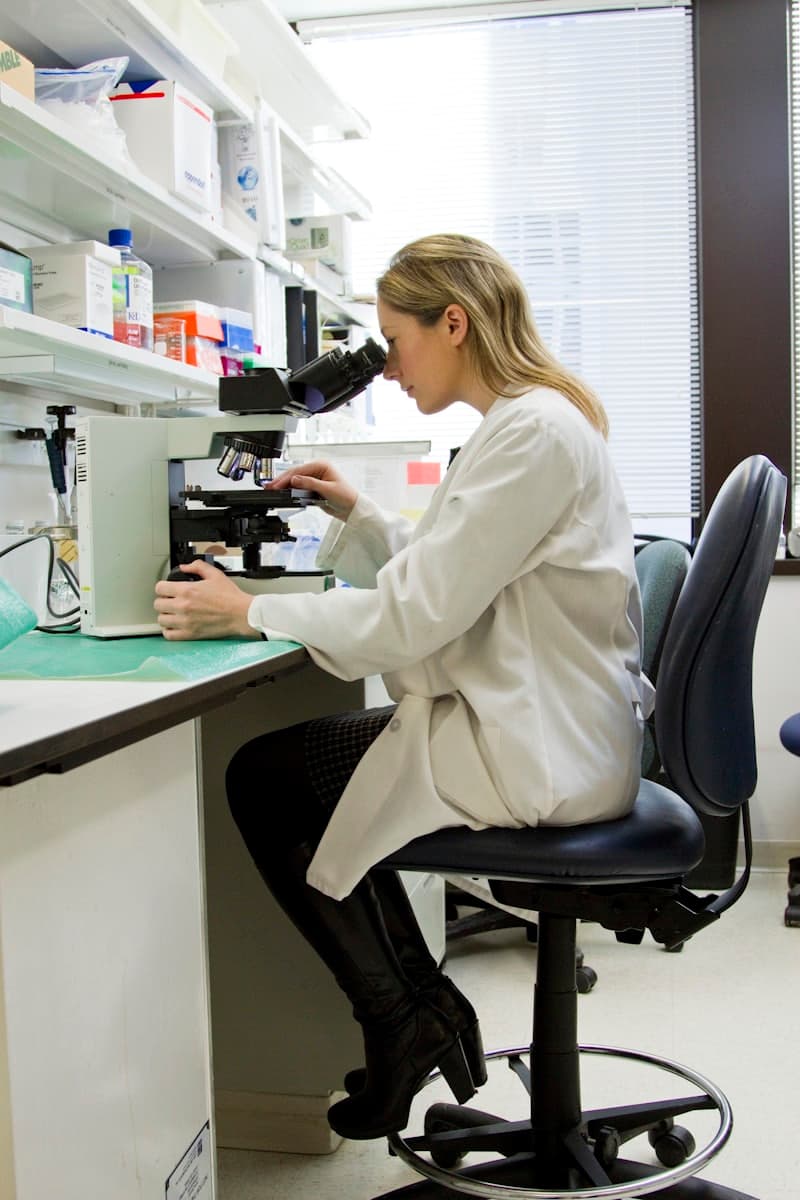
The Department of Microbiology in a medical college is essential in providing students with a deep understanding of microorganisms and their roles in human health and disease. Microbiology is the study of bacteria, viruses, fungi, parasites, and other microorganisms that can affect the body, leading to a wide range of infections and illnesses. The department covers the fundamentals of microbial biology, immunology, and epidemiology, while also exploring the various diagnostic methods used to identify infections and understand their transmission. By studying the interactions between microorganisms and the human body, students gain insights into the mechanisms of infection, the body’s immune response, and the development of antimicrobial resistance, all of which are crucial for medical practice.
The curriculum in the Microbiology Department is designed to provide students with both theoretical knowledge and practical laboratory experience. Students are trained in microbiological techniques, including culturing, identifying, and isolating pathogens, as well as performing diagnostic tests such as PCR (polymerase chain reaction), serology, and antimicrobial susceptibility testing. They also learn about the principles of sterilization, infection control, and microbiological safety, which are fundamental in clinical and laboratory settings. By integrating lectures with hands-on lab sessions, the department ensures that students develop the necessary skills to identify infectious agents and understand their implications for patient care.
Research within the Microbiology Department plays a crucial role in advancing medical knowledge and improving public health outcomes. Faculty and students engage in research that addresses a wide variety of topics, such as emerging infectious diseases, antibiotic resistance, vaccine development, and the microbial basis of chronic diseases. The department often collaborates with other research institutions and healthcare settings to explore innovative ways to prevent, diagnose, and treat infections. This research is not only vital for advancing scientific understanding but also contributes directly to public health strategies and clinical practices, particularly as new pathogens and diseases continue to emerge globally.
The Microbiology Department also serves as a key player in infectious disease management and control, particularly in a clinical setting. The department works closely with hospitals, clinical labs, and public health agencies to monitor and manage outbreaks, provide guidance on infection prevention, and assist in the development of effective treatments. By educating future healthcare professionals on the role of microorganisms in disease and how to combat infectious threats, the department helps shape the next generation of medical experts who are equipped to address the ever-evolving challenges of infectious diseases. Through both education and research, the Microbiology Department is at the forefront of understanding and combating infections, playing an integral role in the healthcare system.