
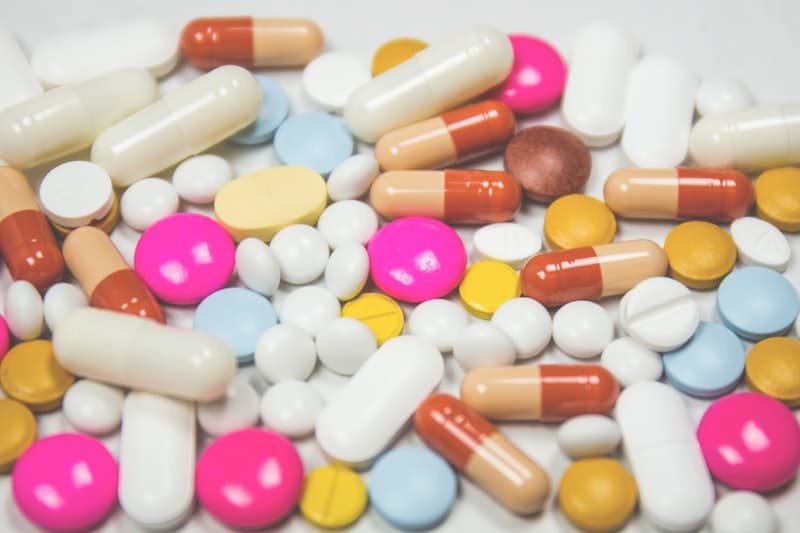
The Department of Pharmacology in a medical college plays a crucial role in educating medical students about the principles of drug action, therapeutic use, and the safe and effective administration of medications. Pharmacology is the study of how drugs interact with the body and the effects these interactions have on both normal and diseased states. It bridges the gap between basic science and clinical medicine, providing students with the foundational knowledge necessary to understand how drugs work, their side effects, and how they are metabolized, excreted, and distributed within the body. This knowledge is essential for developing effective treatment plans and ensuring patient safety in the use of pharmacological therapies.
The department’s curriculum combines theoretical coursework with practical experiences to ensure students understand the pharmacokinetics (how the body processes drugs) and pharmacodynamics (how drugs affect the body). Students learn about various classes of drugs, such as antibiotics, analgesics, anesthetics, antipyretics, and chemotherapy agents, and their specific actions on physiological systems. The department also emphasizes the clinical application of pharmacology, where students are trained to make informed decisions about drug prescribing, dosing, drug interactions, and recognizing adverse drug reactions. This combination of theory and practical training helps students develop a deep understanding of the therapeutic use of medications in different clinical contexts.
Research in the Pharmacology Department is highly focused on advancing the development of new drugs, understanding drug mechanisms, and improving drug safety. Faculty and students engage in innovative studies in areas such as drug metabolism, toxicology, pharmacogenomics (how genetic variations affect drug responses), and drug delivery systems. The research carried out in the department often translates into real-world clinical applications, with a focus on improving therapeutic outcomes, minimizing side effects, and developing more targeted therapies. Collaborative research with other medical and pharmaceutical institutions also supports advancements in the development of new treatments for diseases ranging from infections to chronic conditions like diabetes and cancer.
The Department of Pharmacology also plays a critical role in patient care by contributing to the education of healthcare professionals on the responsible use of medications. In addition to the basic pharmacological principles, students are taught about the importance of drug safety, regulatory aspects of drug use, and the growing field of personalized medicine. The increasing complexity of pharmacological treatments and the rise of drug-resistant diseases highlight the department’s importance in preparing medical professionals who are equipped to make informed decisions in prescribing and monitoring drug therapies. By providing students with both the scientific understanding and practical expertise needed for effective medication management, the Pharmacology Department helps ensure that future doctors are capable of optimizing therapeutic outcomes while minimizing risks for their patients.