
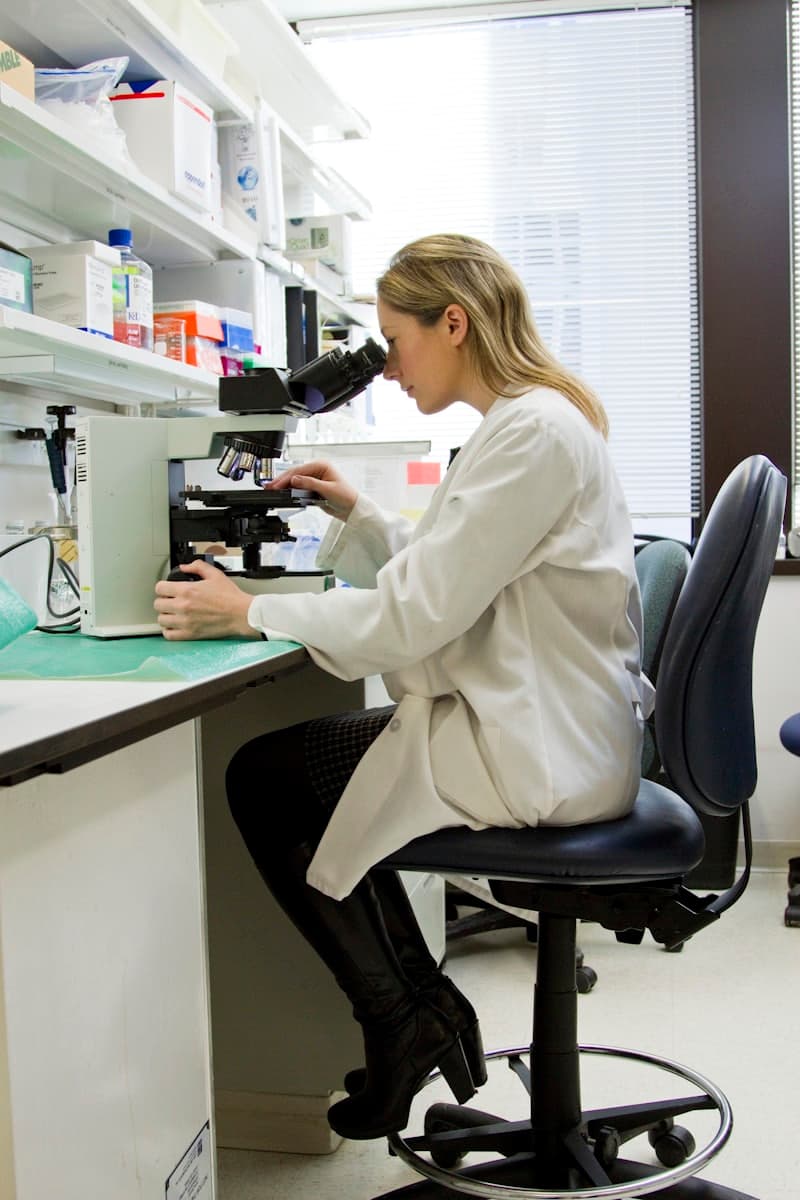
The Pathology Department at a medical college serves as a crucial component of medical education, offering students a comprehensive understanding of the nature, causes, and effects of diseases. Pathology is the branch of medicine that focuses on the study of disease through the examination of tissues, cells, and bodily fluids. It provides essential insights into the mechanisms of disease, which are fundamental for accurate diagnosis, treatment, and prevention. The department not only educates students about the various types of pathological conditions, such as infections, tumors, and autoimmune disorders, but also trains them in the art and science of diagnosing diseases using both traditional and cutting-edge diagnostic methods.
The curriculum within the Pathology Department typically integrates theoretical knowledge with practical laboratory skills, ensuring that students acquire proficiency in both the science and application of pathology. Students learn to interpret microscopic tissue samples, blood tests, and other diagnostic tools, developing the critical skills necessary for diagnosing diseases accurately. This hands-on experience is vital for medical students as it prepares them for clinical rotations, where they can apply their pathological knowledge in real-world healthcare settings. By understanding the cellular and molecular changes that occur in disease, students are better equipped to diagnose conditions early, interpret clinical findings, and recommend effective treatment strategies.
Research in pathology is another vital aspect of the department. Pathologists and medical students often engage in studies that explore the underlying causes of diseases at the molecular, genetic, and cellular levels. Research areas may include cancer biology, infectious diseases, autoimmune conditions, and the development of new diagnostic techniques. The department encourages students to actively participate in ongoing research, fostering a deep understanding of how disease processes unfold at a cellular level. This research not only contributes to advancing scientific knowledge but also helps in the development of novel therapeutic approaches, ultimately improving patient care.
The Pathology Department also plays a key role in bridging the gap between basic science and clinical medicine. Pathologists are essential members of healthcare teams, providing crucial insights that guide clinical decision-making. By working closely with other departments, such as surgery, oncology, and internal medicine, pathologists help determine the nature and stage of diseases, which is crucial for formulating appropriate treatment plans. The department emphasizes the importance of pathology in personalized medicine, where understanding the unique pathological characteristics of a patient’s disease can lead to tailored treatment options, improving patient outcomes. Overall, the Pathology Department is instrumental in shaping the clinical and diagnostic skills of future physicians, ensuring they have a solid foundation in understanding the diseases they will encounter throughout their medical careers.